Our Projects
Concrete, community-rooted initiatives translating KDI's mission into measurable impact on the ground across Northeastern Nigeria.
Secure Her Education
Anti-Abduction & Protection Initiative — Yobe & Borno States, Northeastern Nigeria
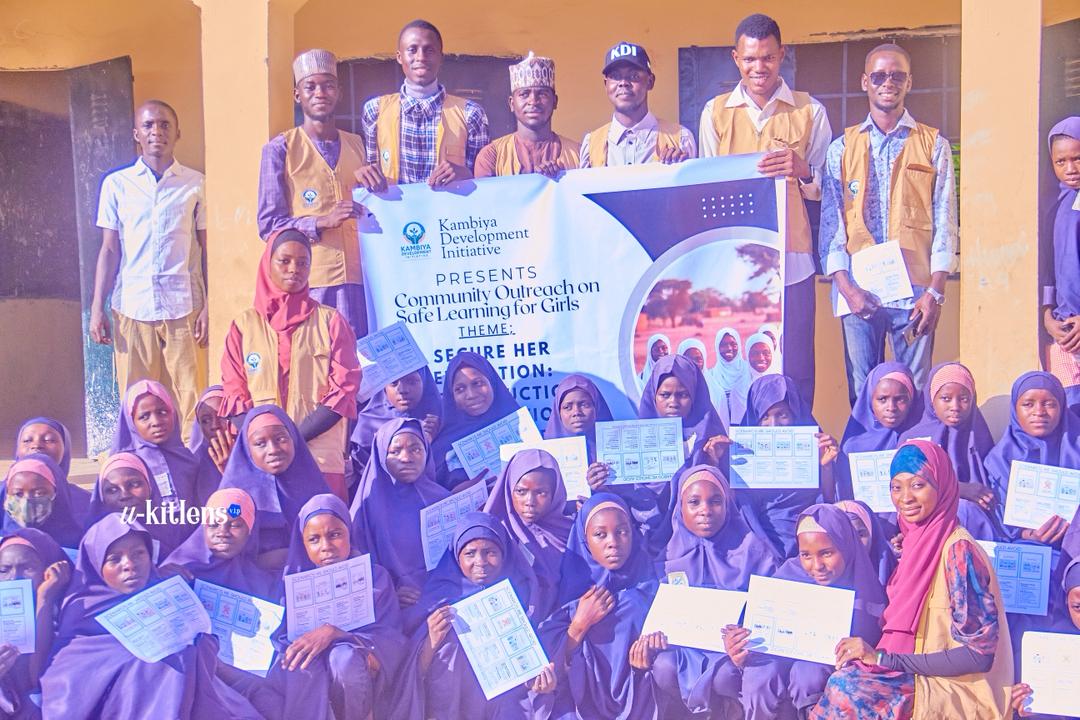
The Secure Her Education Initiative is KDI's flagship project designed to safeguard girls' access to education in communities affected by insecurity in Northeastern Nigeria. The initiative was launched in response to the alarming rise in the kidnapping and abduction of schoolgirls, which has left thousands of families living in fear and has forced the closure of several girls' boarding schools across the region.
These incidents have not only disrupted education but have also deepened gender inequality, increased school dropout rates, exposed girls to child marriage and exploitation, and threatened the future of an entire generation. Recognizing that education is one of the most powerful tools for breaking the cycle of poverty and insecurity, KDI developed this initiative to restore hope, strengthen community resilience, and empower young girls with the knowledge and confidence needed to continue pursuing their education safely.
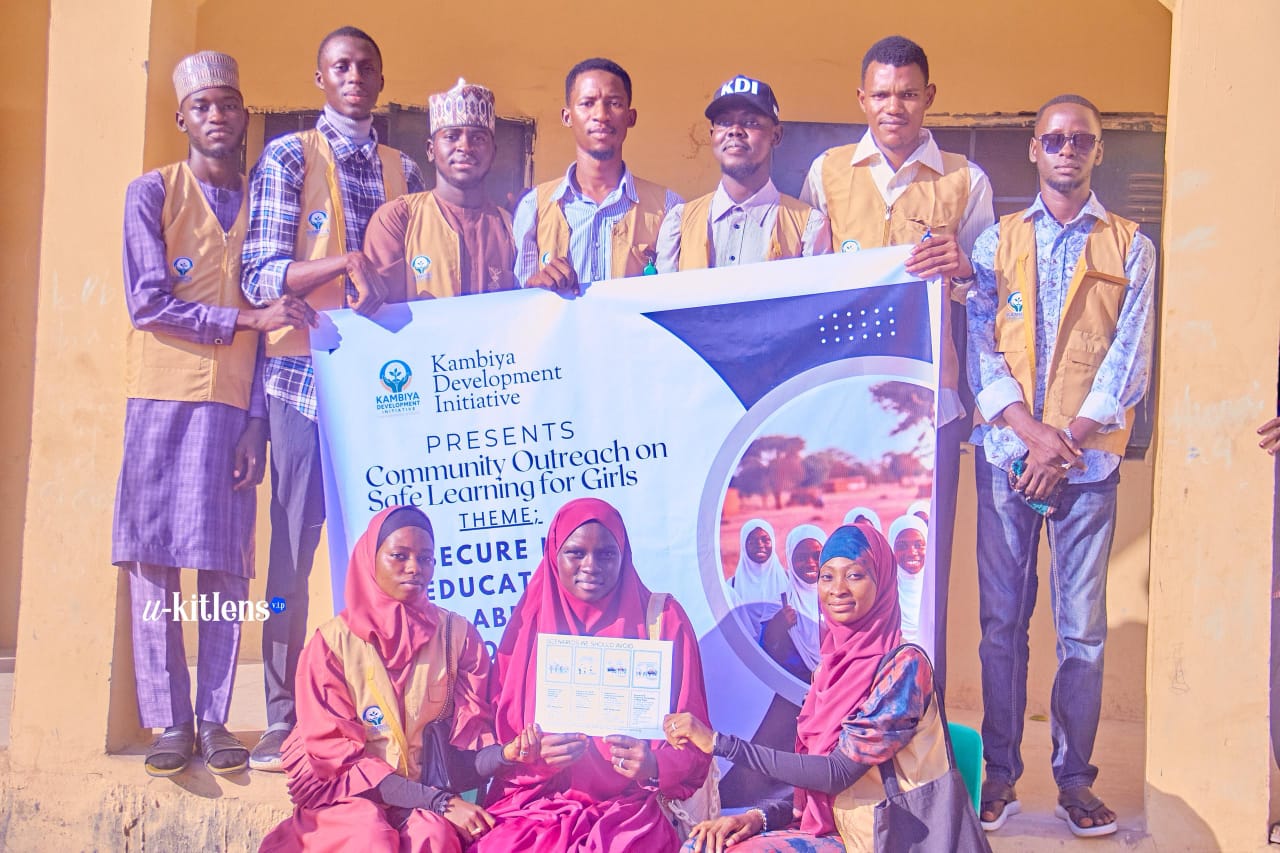
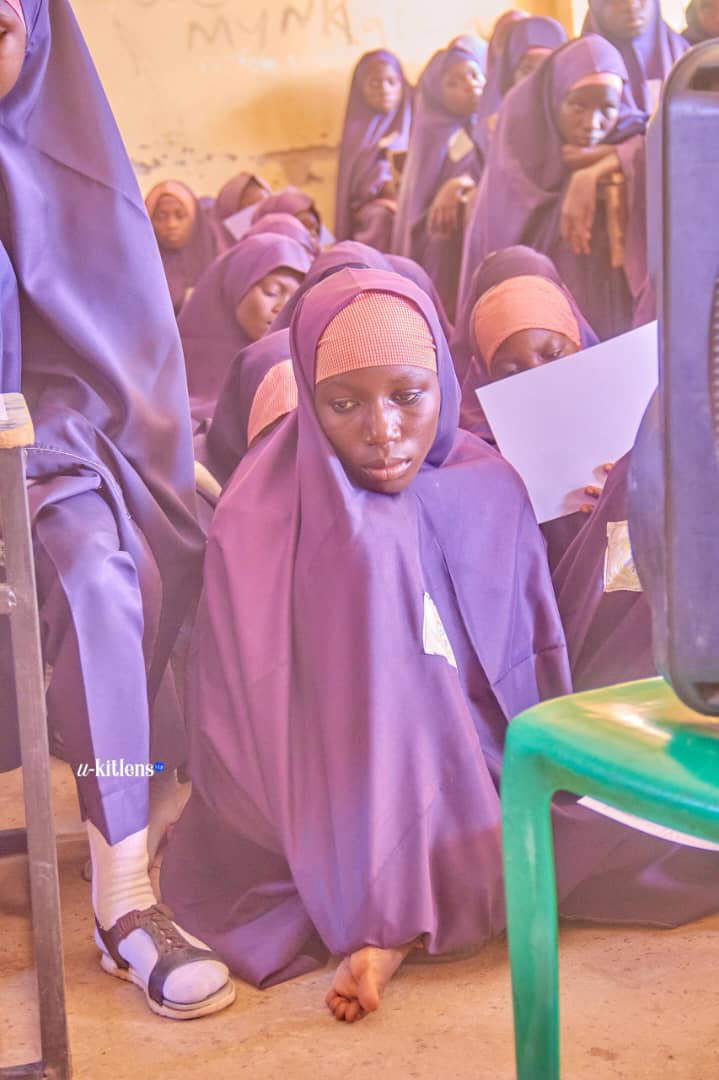
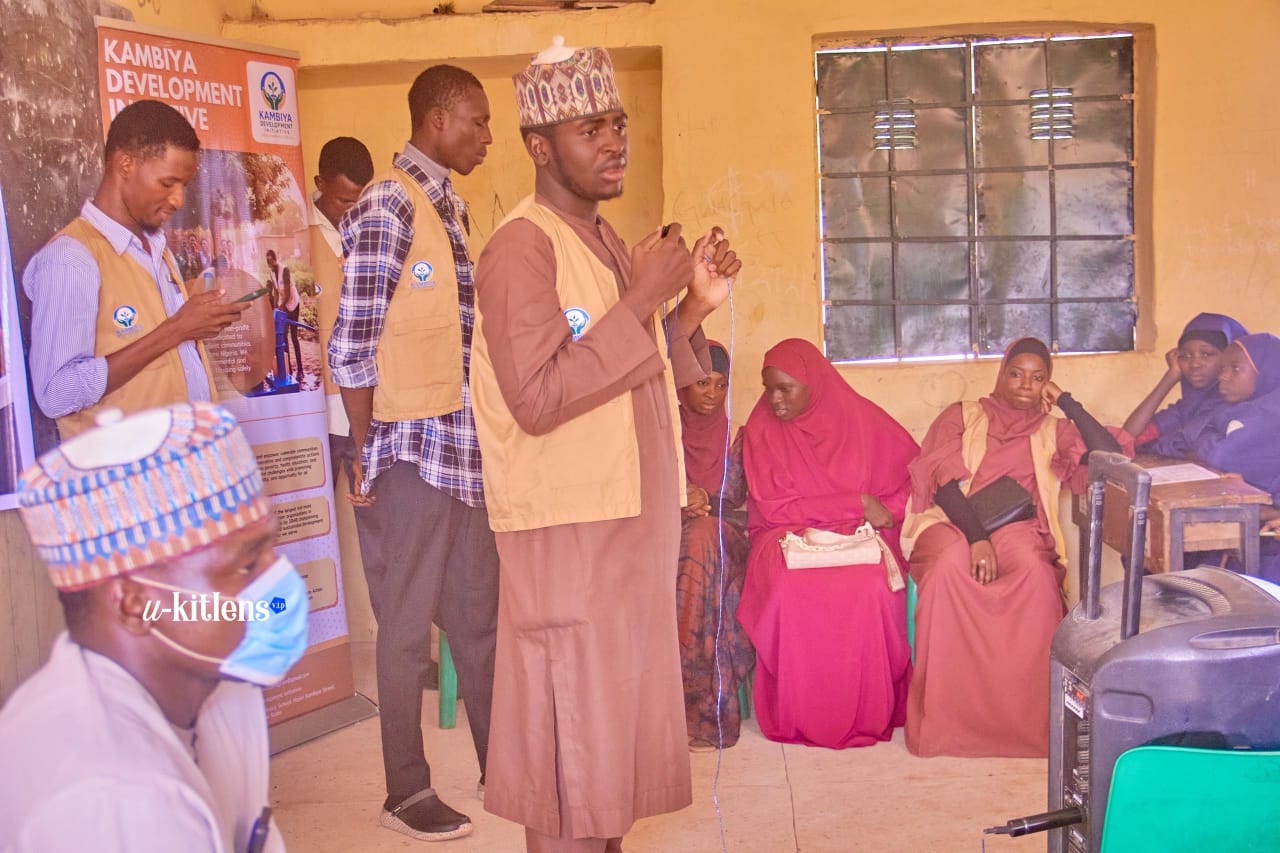
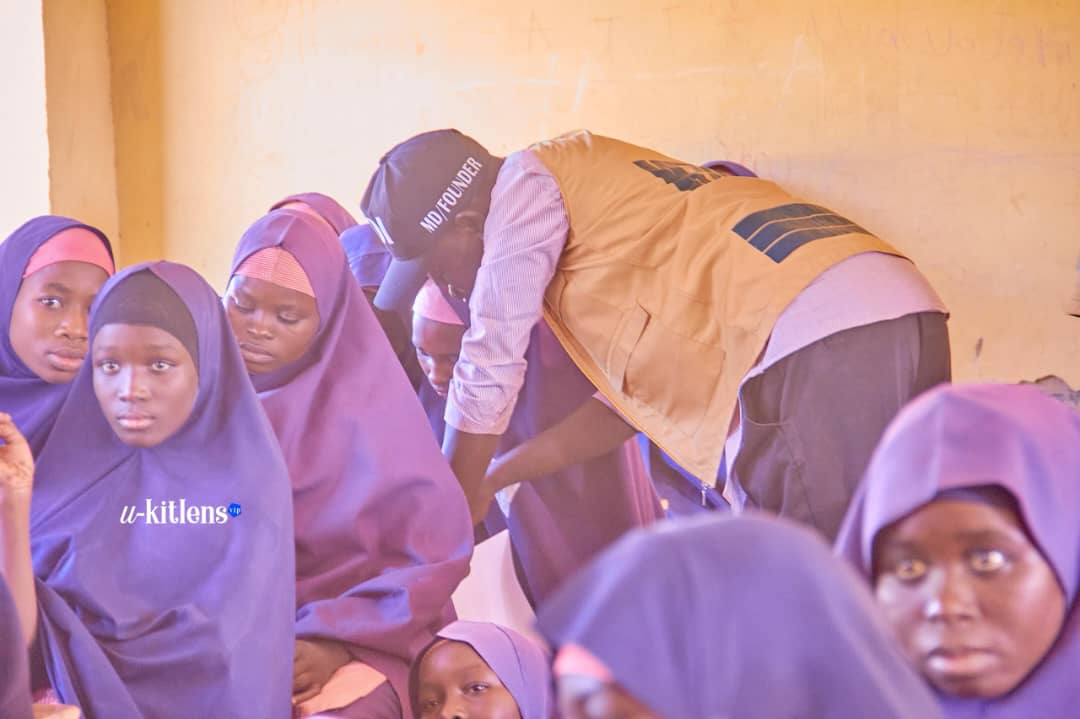
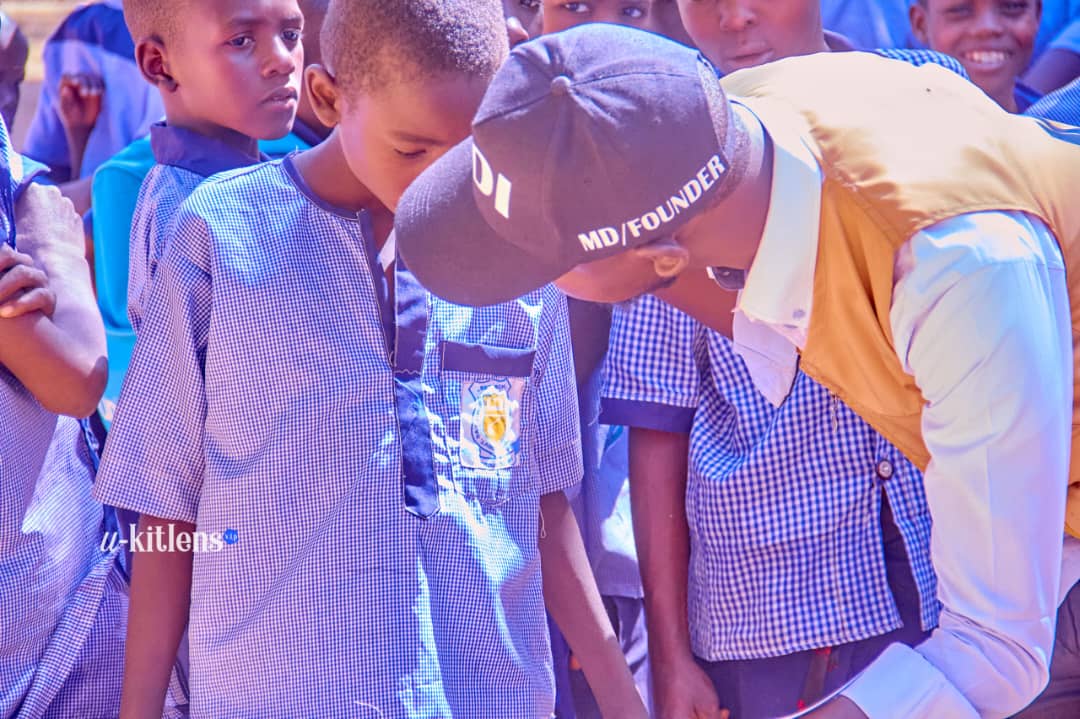
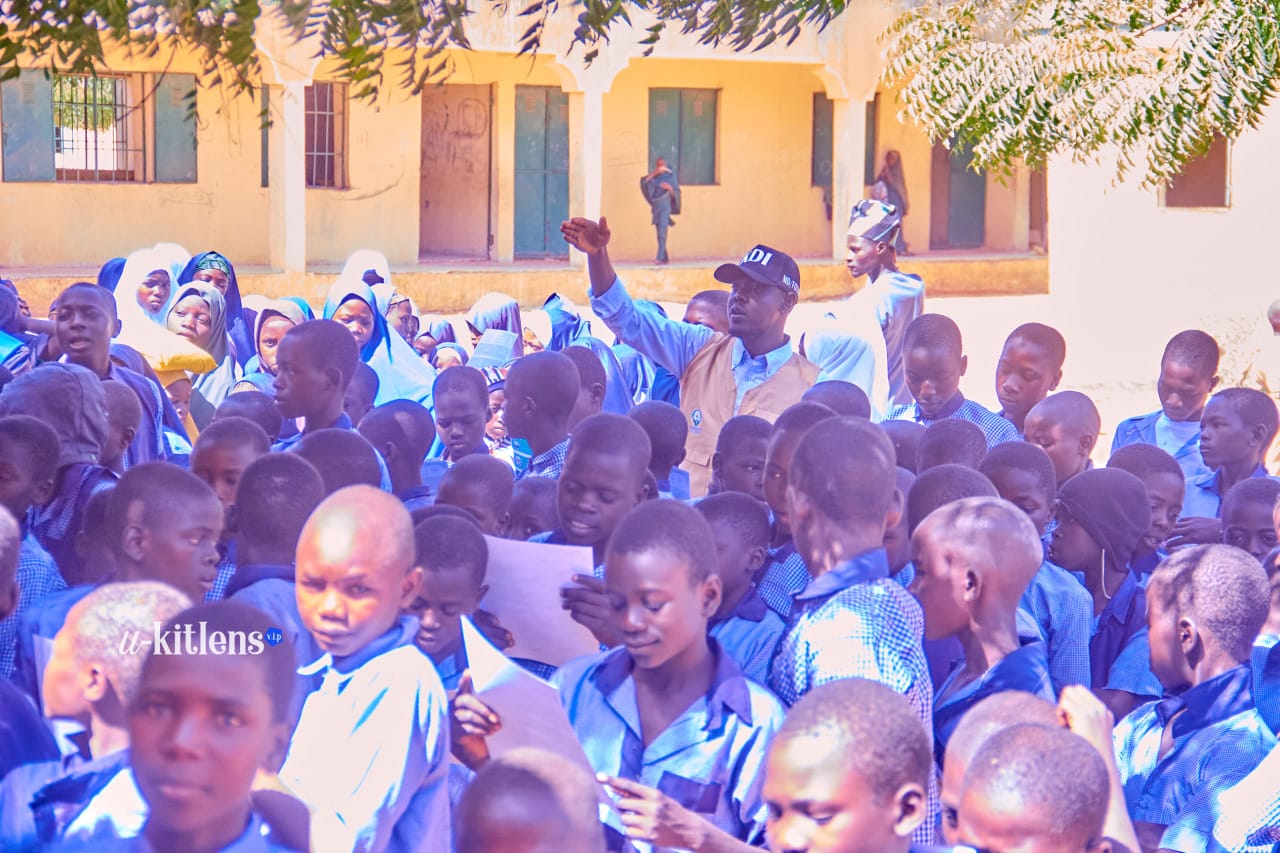
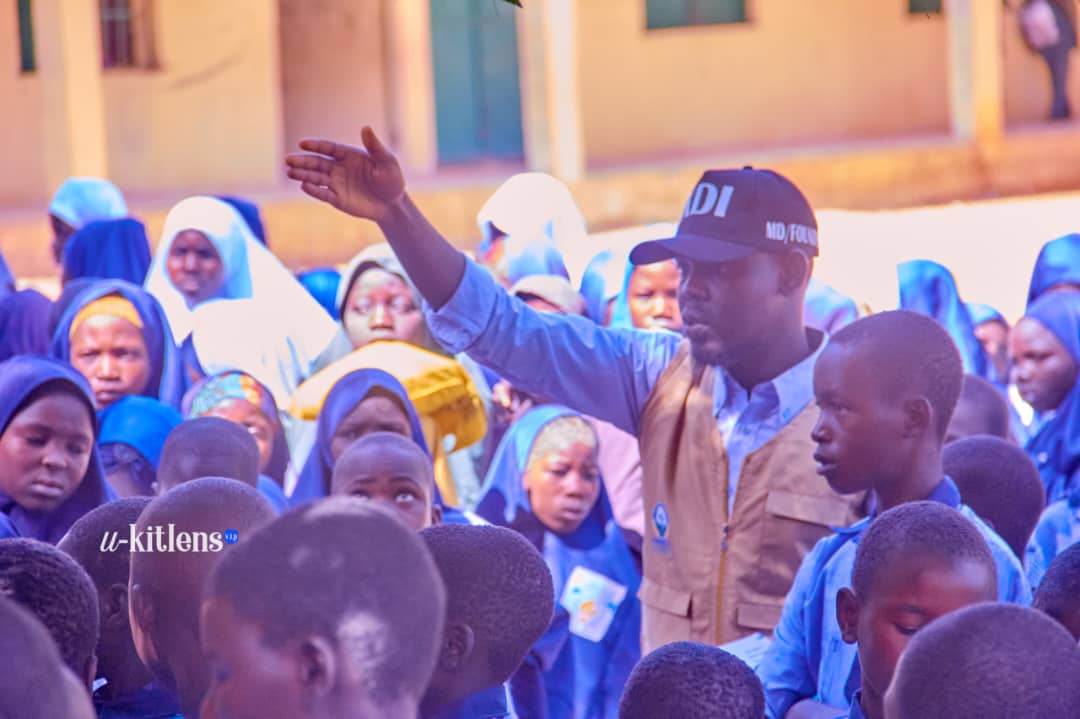
Through this initiative, KDI engaged more than 200 secondary school students, alongside teachers, parents, community leaders, and key stakeholders, in interactive educational sessions and community dialogues focused on personal safety, school security, emergency preparedness, and anti-abduction strategies. Participants were equipped with practical knowledge on recognizing security threats, responding during emergencies, reporting suspicious activities, and promoting collective responsibility for protecting schools and learners.

Project Impact
- Over 200 students gained increased personal safety awareness and emergency response knowledge
- Teachers reported improved student confidence during safety discussions
- Community members expressed stronger commitment to protecting safe learning environments
- Greater awareness of girls' right to education and community protection obligations
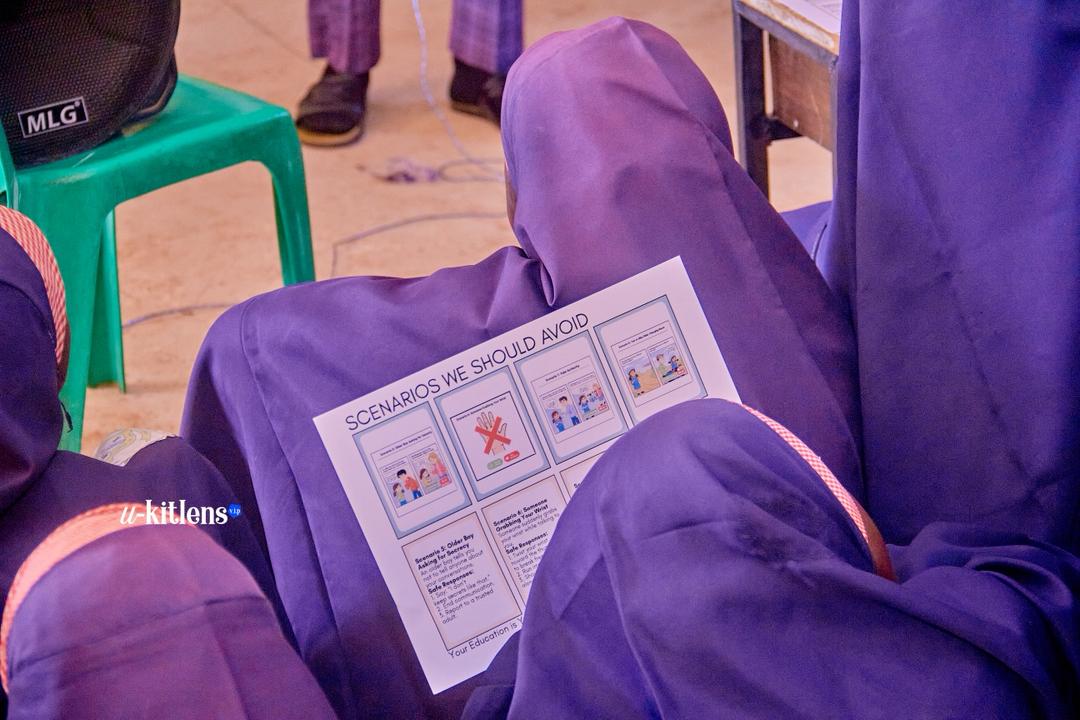
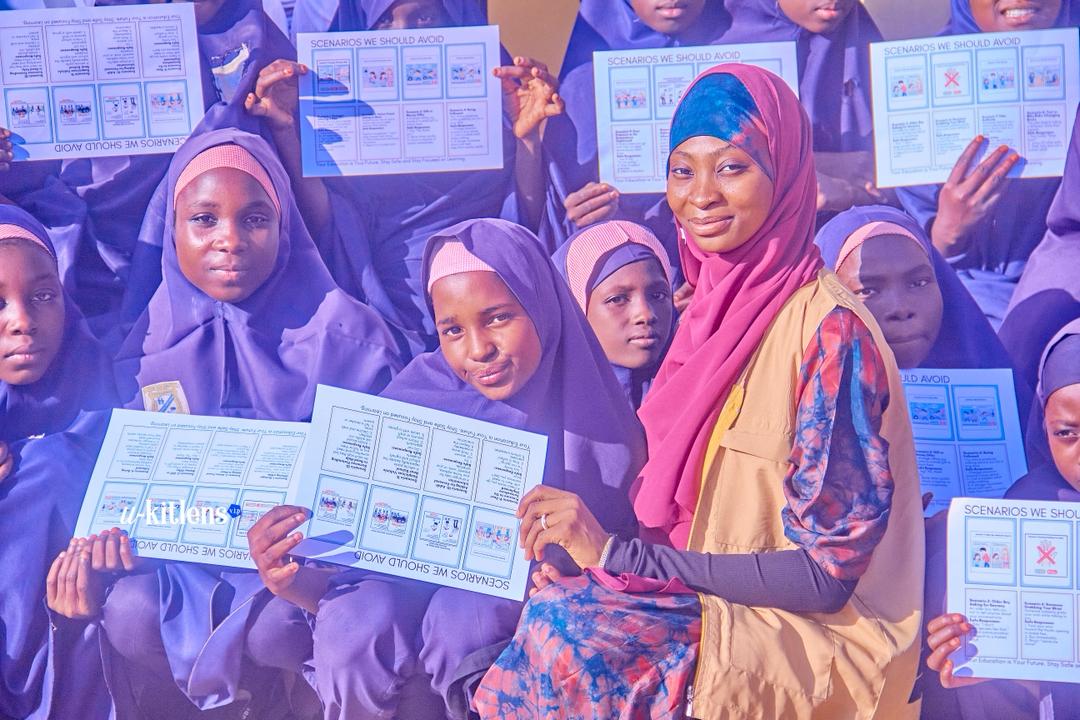
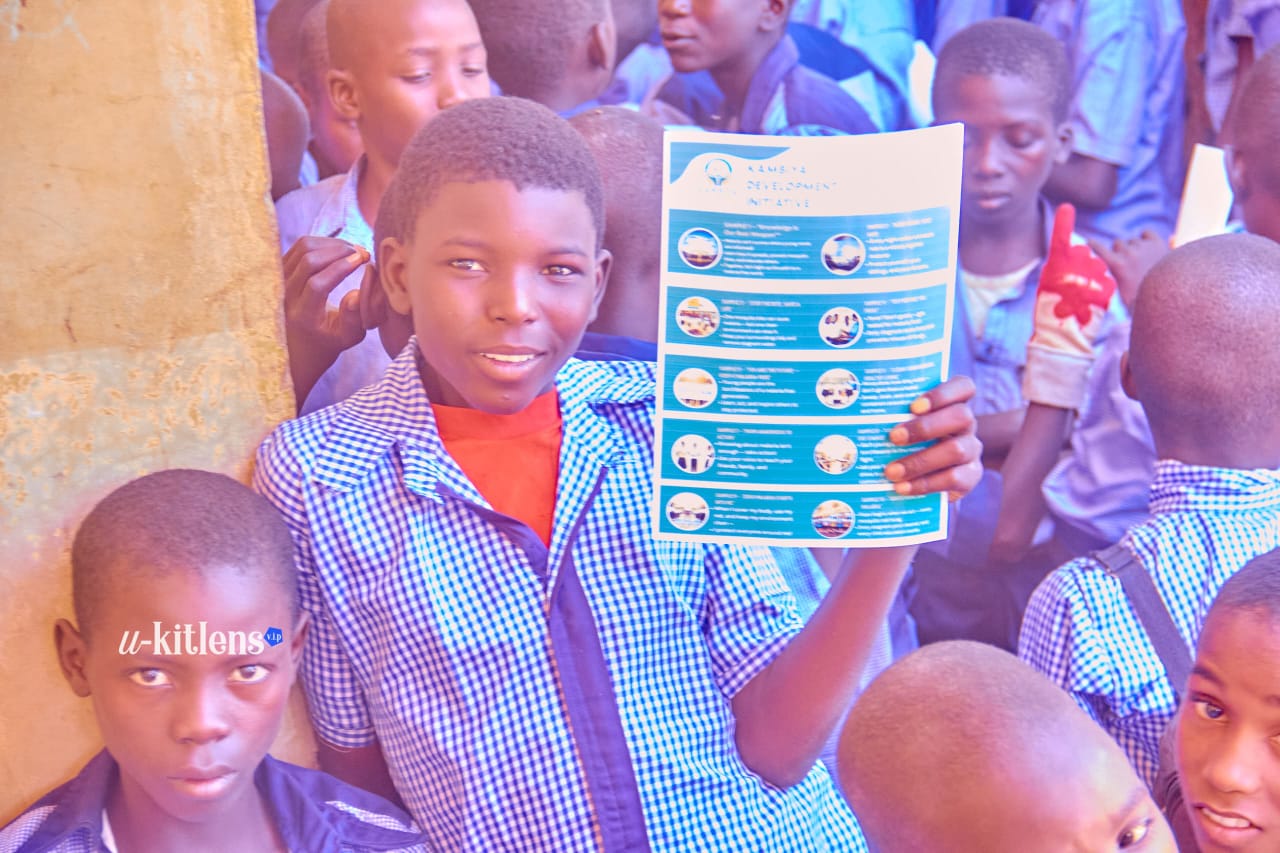
- Distributed "Scenarios We Should Avoid" illustrated safety education materials
- Mentorship sessions inspiring girls through resilience, leadership, and self-confidence
How It Works
- Interactive school-based educational sessions on personal safety and emergency preparedness
- Community dialogues engaging traditional leaders, religious authorities, youth groups, and parents
- Distribution of illustrated anti-abduction awareness and safety materials
- Mentorship fostering resilience, leadership, and the transformative power of education
- Collaboration promoting a culture of vigilance and shared community responsibility
- Follow-up engagement to track attitude change and reinforce safety practices
"At Kambiya Development Initiative, we believe that no child should have to choose between education and safety. Through the Secure Her Education and Anti-Abduction Protection Initiative, we reaffirm our commitment to ensuring that every girl has the opportunity to learn, dream, and achieve her full potential without fear."
— Kambiya Development Initiative
Ignite Against Malaria
Empowering Young Minds for a Malaria-Free Future — Yobe State, Northeastern Nigeria
Ignite Against Malaria is a community health initiative implemented by KDI in Yobe State, Northeastern Nigeria, to address the persistent burden of malaria among school-aged children. Recognizing that malaria remains one of the leading causes of illness and school absenteeism in the region, the project was designed to empower young people with the knowledge and practical skills needed to prevent malaria and become advocates for healthier communities.
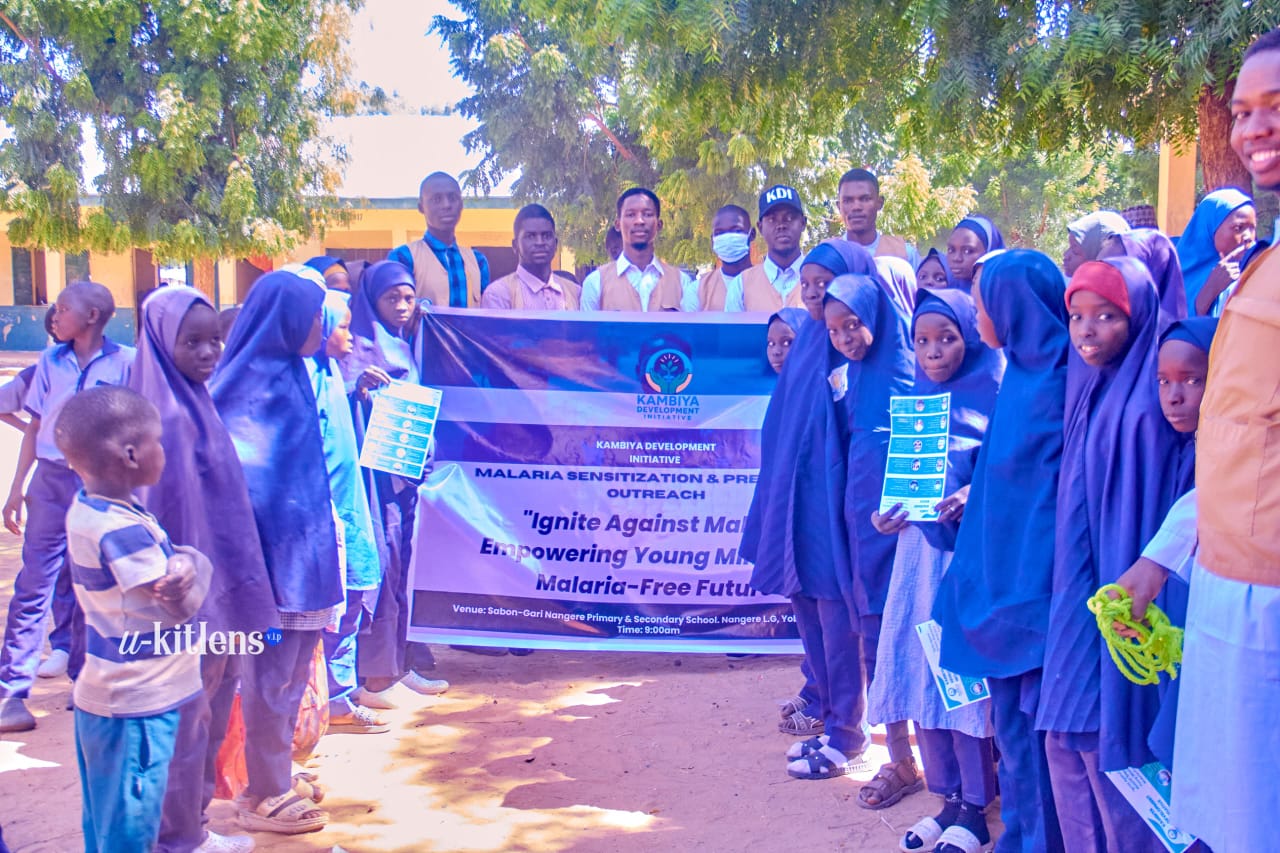
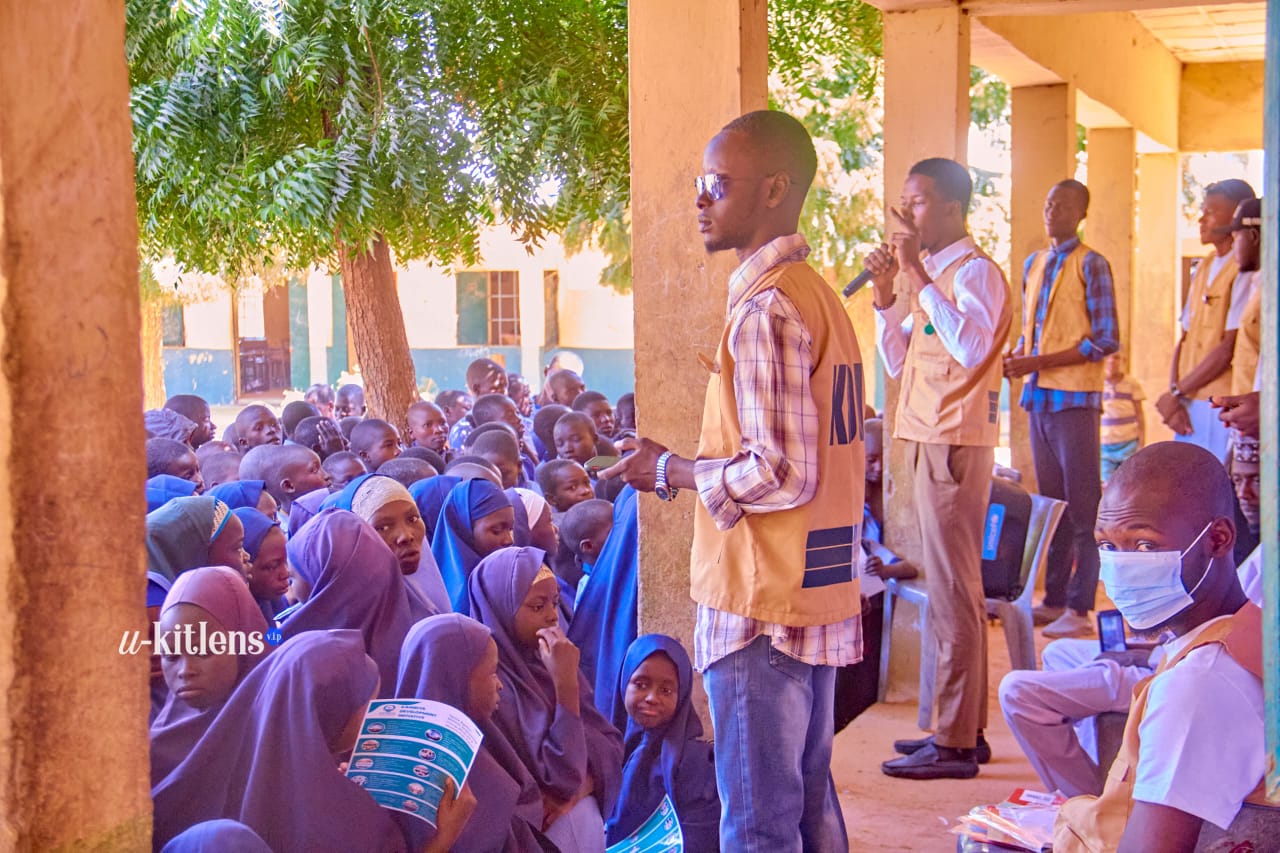
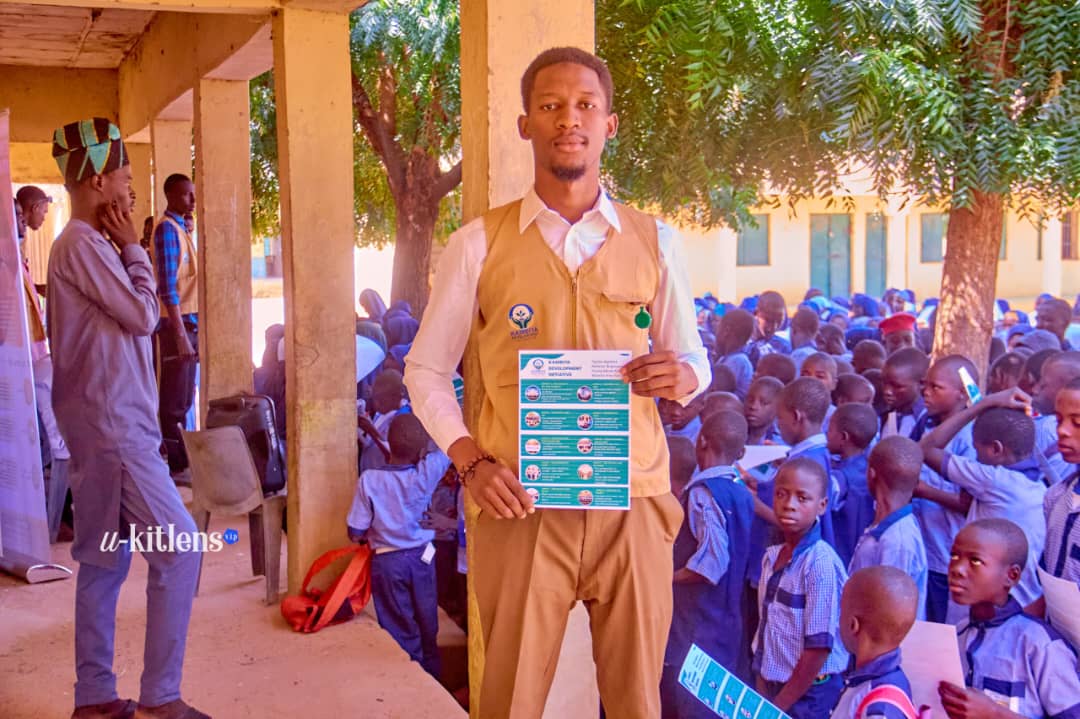
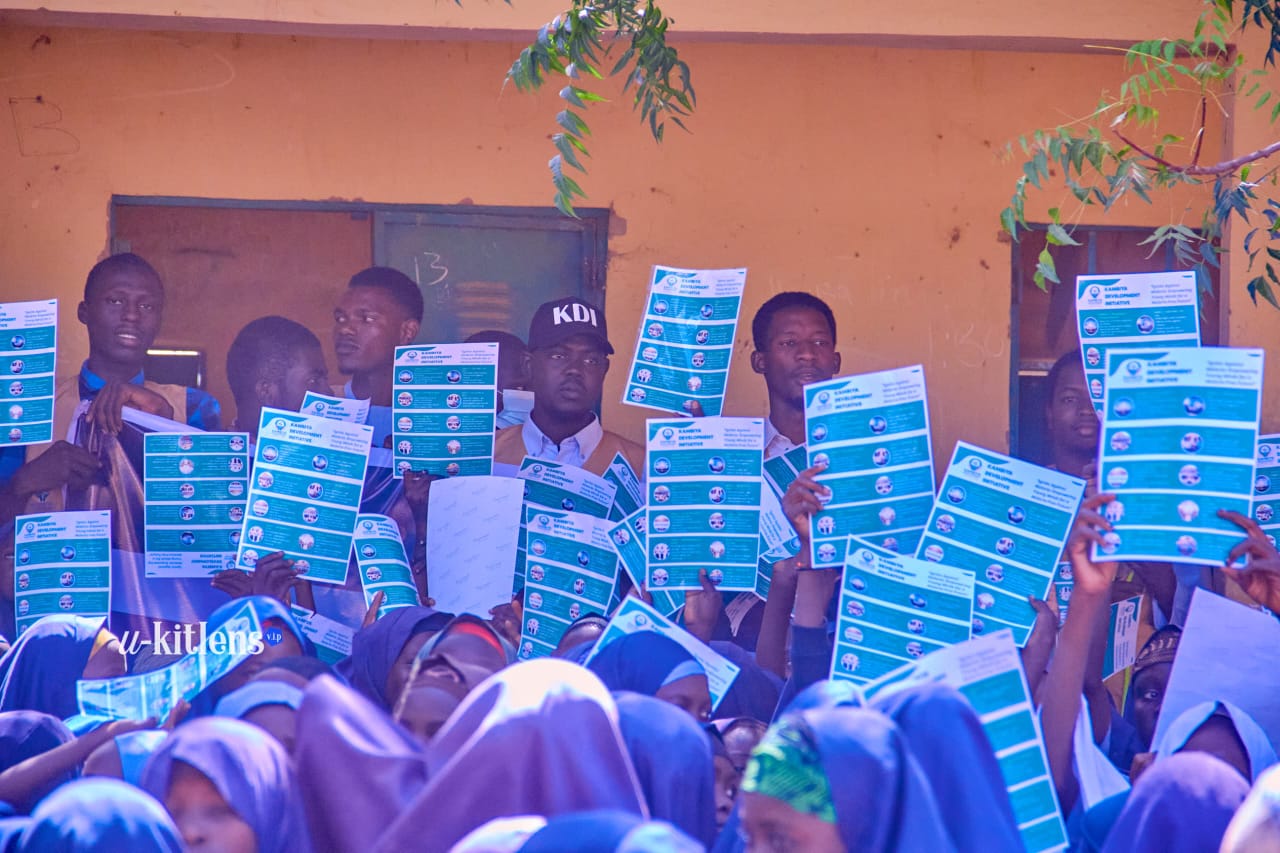
The initiative directly reached over 200 secondary school students through engaging health education sessions, interactive demonstrations, and the distribution of educational leaflets containing simple, evidence-based malaria prevention practices. Students were trained on the correct and consistent use of insecticide-treated mosquito nets (ITNs), the importance of maintaining a clean environment to eliminate mosquito breeding sites, recognizing early signs and symptoms of malaria, seeking prompt diagnosis and treatment, and adopting everyday preventive behaviours to protect themselves, their families, and their communities.
Beyond increasing awareness, the project encouraged students to become peer educators — equipping them to share malaria prevention messages with classmates, family members, and neighbours, extending the project's impact well beyond the classroom and promoting community-wide behavioural change.
📊 Measured Health Outcome
Following the intervention, data obtained from a Primary Health Care Centre in the project area indicated a significant reduction in reported malaria incidence, reflecting the positive influence of increased awareness, improved preventive practices, and stronger community engagement.
What Students Learned
- Correct and consistent use of insecticide-treated mosquito nets (ITNs)
- Maintaining clean environments to eliminate mosquito breeding sites
- Recognizing early signs and symptoms of malaria
- Seeking prompt diagnosis and treatment at health facilities
- Everyday preventive behaviours to protect families and communities
- How to become peer educators for community-wide behavioural change
Project Results
- 200+ secondary school students equipped with malaria prevention knowledge
- Educational leaflets distributed with evidence-based prevention practices
- Youth trained as peer health educators in their communities
- Measurable reduction in malaria cases reported at local PHC
- Increased community engagement in disease prevention practices
- Demonstration that youth-led awareness creates public health outcomes
Community Health Outreach Program
Health education and disease prevention for underserved communities
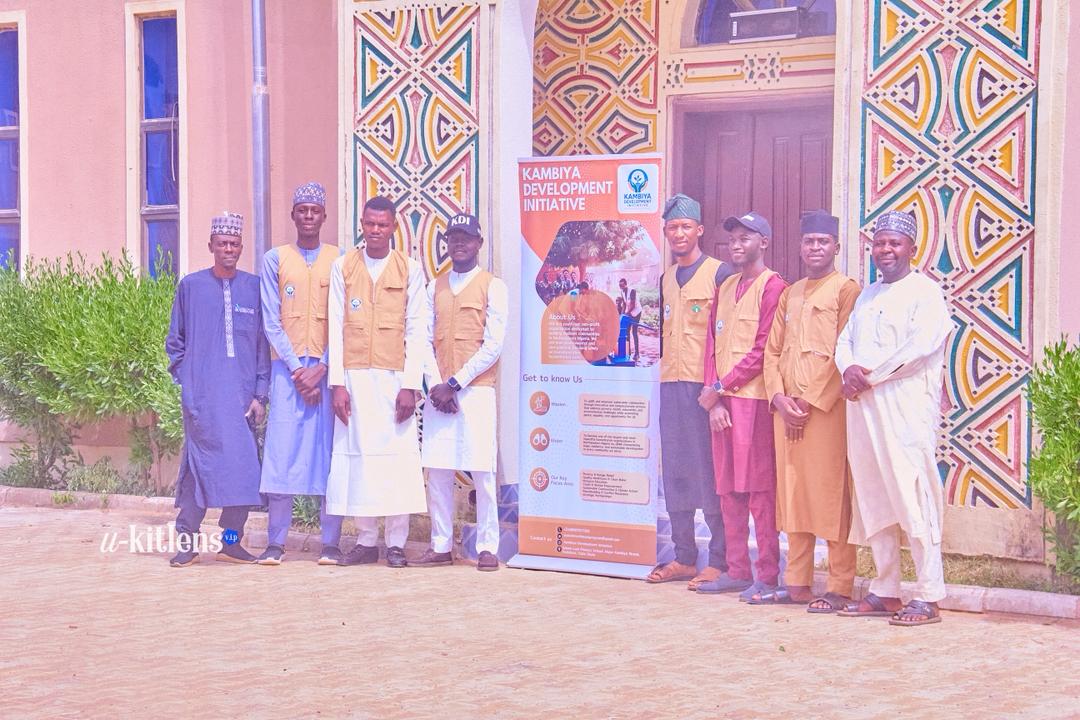
KDI's Community Health Outreach Program delivers direct health education and disease prevention awareness to underserved communities — particularly women and youth — through structured sessions in schools, community halls, and public spaces.
Volunteers and health advocates engage participants on topics including disease prevention, nutrition, maternal health, and when to seek professional care, building community-level health knowledge from the ground up.
- Community health sessions delivered to women, youth, and community members
- Targeted disease prevention awareness: cholera, malaria, and common illnesses
- Maternal and child health information shared with caregivers
- One Health initiative links human, animal, and environmental health education
Youth Peacebuilding Initiative
Empowering young leaders to build peace, cohesion, and resilience
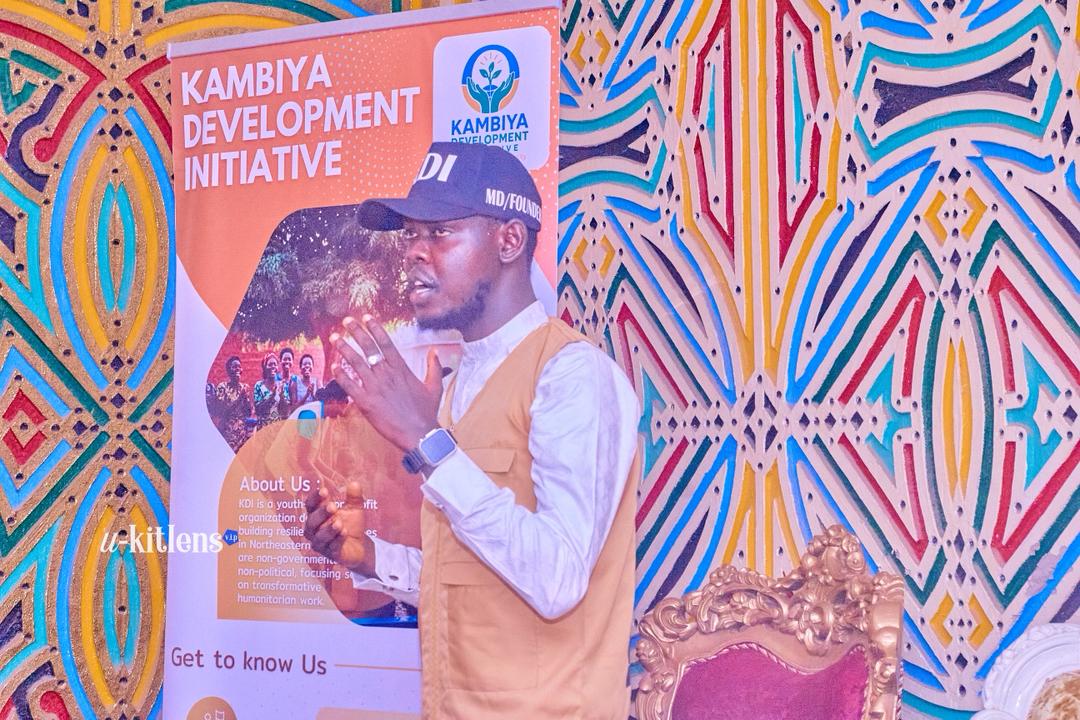
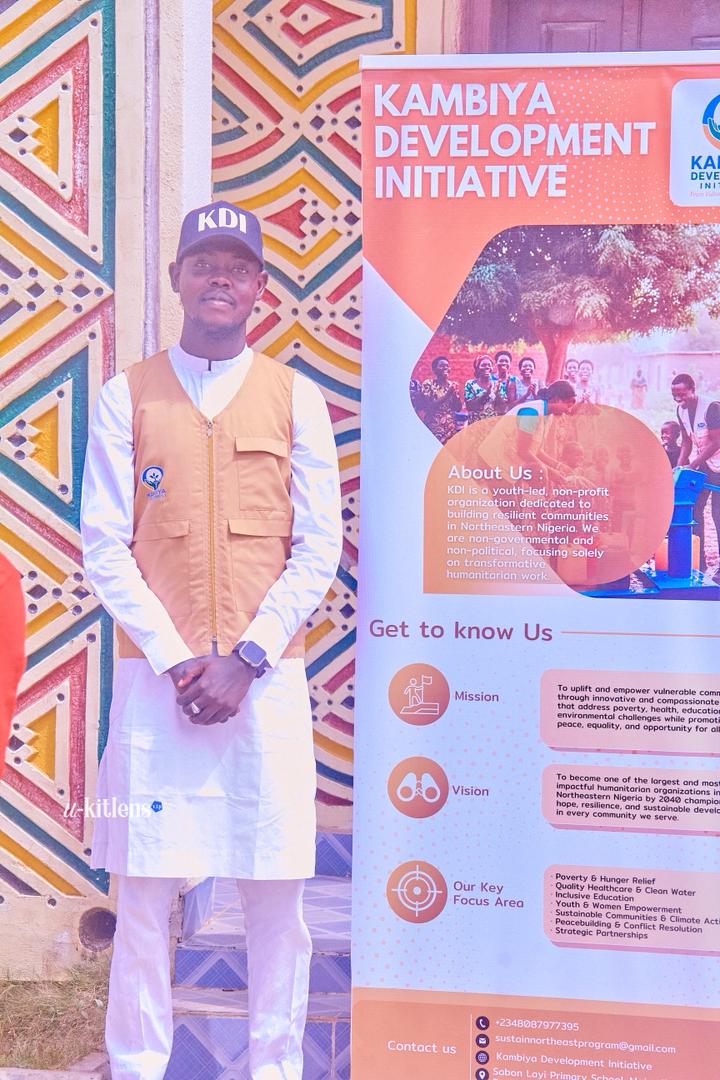
The Youth Peacebuilding Initiative equips young community members with leadership skills, conflict resolution tools, and the platform to drive dialogue — building social cohesion and resilience in communities affected by instability.
KDI engages traditional rulers, community leaders, and institutional stakeholders in structured dialogue sessions, creating bridges of understanding and cooperation across community divides.


- Youth trained in peace advocacy and conflict resolution techniques
- Community dialogue forums convened with traditional and institutional leaders
- Intergenerational conversations linking youth and elders for social cohesion
- Networks of youth peace ambassadors established in target communities
New Projects in Development
KDI is continuously designing new community interventions. Subscribe to our newsletter or follow us to stay updated on upcoming projects, calls for volunteers, and partnership opportunities.